

Making Innovative Games on iPad for Global Impact


Sustainable Coding Projects
Technology drives global progress, so how we build it matters for the planet. Sustainable coding projects use technology to address environmental challenges, promote responsible consumption, and support long-term ecological balance. This post explains why sustainable coding matters, shares practical strategies for building projects with real impact, and looks at real-life examples that inspire change.
The Importance of Sustainable Coding
Defining Sustainable Coding
Sustainable coding means developing software and technology with a minimal environmental impact. It involves energy-efficient coding practices, careful resource use, and applications that promote sustainability in different sectors.
Example: The Green Software Foundation, a collaborative initiative by organizations like Microsoft, Accenture, and GitHub, aims to reduce the carbon emissions of software. It promotes best practices and tools for green software development, which helps developers write more sustainable code.
The Environmental Impact of Technology
The technology sector has a significant environmental impact through energy consumption, electronic waste, and carbon emissions. Sustainable coding can reduce these effects with more efficient software and environmentally friendly practices.
Example: Data centers, which power the internet and cloud services, consume vast amounts of energy. Companies like Google and Amazon are investing in renewable energy and optimizing their data centers to reduce their carbon footprint. Their work shows what tech-driven sustainability can achieve.
Strategies for Sustainable Coding Projects
Energy-Efficient Coding Practices
1. Optimize Algorithms: Use efficient algorithms that reduce computational complexity and energy consumption. That includes choosing appropriate data structures and cutting redundant calculations.
2. Resource Management: Manage resources carefully, for example by optimizing memory and using hardware efficiently.
3. Eco-Friendly Code Reviews: Add sustainability checks to your code reviews so the software follows energy-efficient practices.
Example: Mozilla's Lean Data Practices encourage developers to minimize data collection and processing. That reduces energy consumption and protects user privacy.
Promoting Sustainable Development Goals (SDGs)
Align your coding projects with the United Nations Sustainable Development Goals (SDGs) to address global challenges such as climate change, clean energy, and sustainable cities.
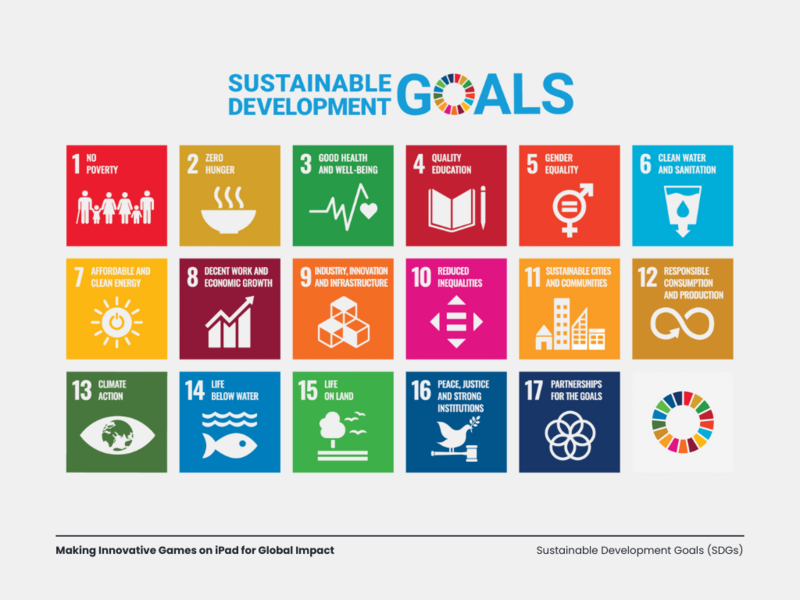
1. Clean Energy Solutions: Develop software that optimizes energy use in homes, businesses, and industries. This can include smart grid technologies, energy management systems, and renewable energy forecasting tools.
2. Sustainable Agriculture: Create applications that support sustainable farming, such as precision agriculture tools that optimize water use and reduce chemical inputs.
3. Circular Economy: Develop platforms that promote recycling, reuse, and responsible consumption. This can include marketplaces for second-hand goods, recycling tracking systems, and waste reduction apps.
Example: IBM's Green Horizons initiative uses AI and IoT technologies to optimize renewable energy production and reduce environmental impact. It contributes to SDG 7 (Affordable and Clean Energy) and SDG 13 (Climate Action).
Collaboration and Open Source
-
Open Source Projects: Encourage the development and use of open-source software that supports sustainability initiatives. Open source promotes transparency, collaboration, and resource sharing.
-
Community Engagement: Involve communities in sustainable coding projects through hackathons, workshops, and collaborative platforms. Involving people this way sparks new ideas and keeps solutions relevant and effective.
Example: In hyperPad, you can branch other creators' Open Source projects and build on their work.
Real-Life Examples of Sustainable Coding Projects
Smart Home Technologies
Example: Nest, a smart thermostat from Google, uses machine learning to optimize heating and cooling in homes. It learns user preferences and adjusts temperatures to match, which reduces energy consumption.
Sustainable Transportation
Example: Waze, a community-based traffic and navigation app, helps reduce carbon emissions by providing real-time traffic data and suggesting the most efficient routes. That cuts travel time, fuel consumption, and overall environmental impact.
Environmental Monitoring
Example: Global Earth Challenge, a citizen science initiative, uses mobile technology to collect environmental data on air quality, plastic pollution, and insect populations. The project lets individuals contribute to scientific research and raises environmental awareness.
Innovating for a Sustainable Future
Sustainable coding projects play a key role in addressing today's environmental challenges. When developers adopt energy-efficient coding practices, align with the Sustainable Development Goals, and collaborate, they can build solutions that promote ecological balance and responsible resource use.
The Green Software Foundation, Mozilla, IBM, Nest, and Waze all show what sustainable coding can do. As you build for impact, make sustainability a priority, so the technology we make contributes to a healthier planet for future generations.
hyperPad lets you make iOS games and apps on your iPad. Turn your Procreate or digital art into interactive comics, games, and more, then export them to the Apple App Store from your iPad. hyperPad is a one-time USD $14.99 purchase with lifetime access, and you keep 100% of your revenue. Start your game dev journey with hyperPad today.
Try it free with hyperPad Starter, which includes one project.