
Tetris: The Masterpiece that Fit Perfectly Everywhere

Tetris, created by Russian game designer Alexey Pajitnov in 1984, is a classic that has crossed generations and cultures to become one of the most recognizable video games ever made. Its concept is simple, yet it became a huge worldwide hit. This case study looks at the marketing strategies that took Tetris around the world.
Image from Tetris
1. Strategic Licensing and Distribution
Tetris first took off through licensing and distribution deals that made it available on many platforms and in many regions. After its creation, Tetris was licensed to various publishers for game consoles, home computers, and handheld devices. That put it in front of every kind of player, from casual gamers to hardcore fans, and it maximized the game's reach and revenue.
2. Adaptation to Different Platforms
One of Tetris' biggest marketing strengths is how well it adapts to different platforms. Whether you played it on a Game Boy, a PC, an arcade machine, or a phone, the gameplay stayed just as addictive and easy to pick up. That flexibility let Tetris ride each new gaming trend. It stayed relevant to new generations of players and kept its longtime fans.
3. A Universal Appeal
Tetris is simple and accessible, so it works across languages and cultures. With easy-to-learn mechanics and a minimalist design, it gave players of every age and background a satisfying experience. That universal appeal earned it recognition in markets around the world and made it a lasting cultural icon.
4. Strategic Brand Partnerships and Collaborations
Tetris used brand partnerships and collaborations to reach new audiences. When Nintendo included Tetris in the launch lineup of the Game Boy handheld, millions of players around the world met the game. Tetris also used its fame to partner with other industries, including music, film, and fashion, which strengthened its place in popular culture and its brand.
5. Nostalgia
Nostalgia keeps Tetris relevant. Players have fond memories of the game, and that emotional connection built a loyal fanbase that has supported the franchise across generations. Re-releases, remakes, and anniversary celebrations bring back longtime fans and win over new players, so the game keeps going as the industry changes.
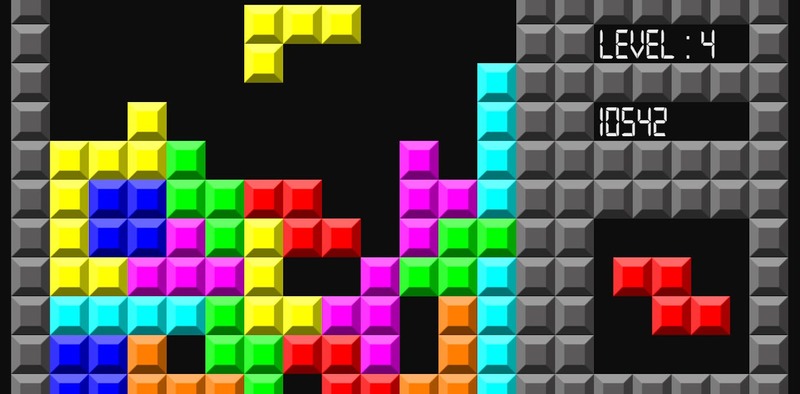
Image credit to The Conversation
Lessons Learned
Tetris shows how much marketing, universal appeal, and cultural relevance matter in the gaming industry. Through licensing and distribution, adapting to every platform, simple gameplay anyone can enjoy, brand partnerships, and nostalgia, Tetris became a global hit that players of all ages still love.
As a hyperPad creator, you can apply these lessons to make and market your own games with a modern twist. Focus on broad appeal and smart marketing, and you can make games that connect with today's players.
Use hyperPad's Behaviors to make your own take on a classic like Tetris. Then join the community of hyperPad creators for collaboration, feedback, and word-of-mouth promotion, like the fanbase that grew around Tetris!
Keep an eye on emerging trends, such as augmented reality (AR) or virtual reality (VR), for ideas that set your game apart. Partnerships with the right brands, influencers, or platforms can also bring your game more exposure and credibility, the way Nintendo's partnership did for Tetris. Use these strategies to learn from Tetris' success while adapting to what today's players want.
Prototype one complete turn or puzzle loop first. Check that the goal, player choice, result, and reset are clear before expanding the rules.