
Best DAWs for Making iPad Game Music and Sound Effects


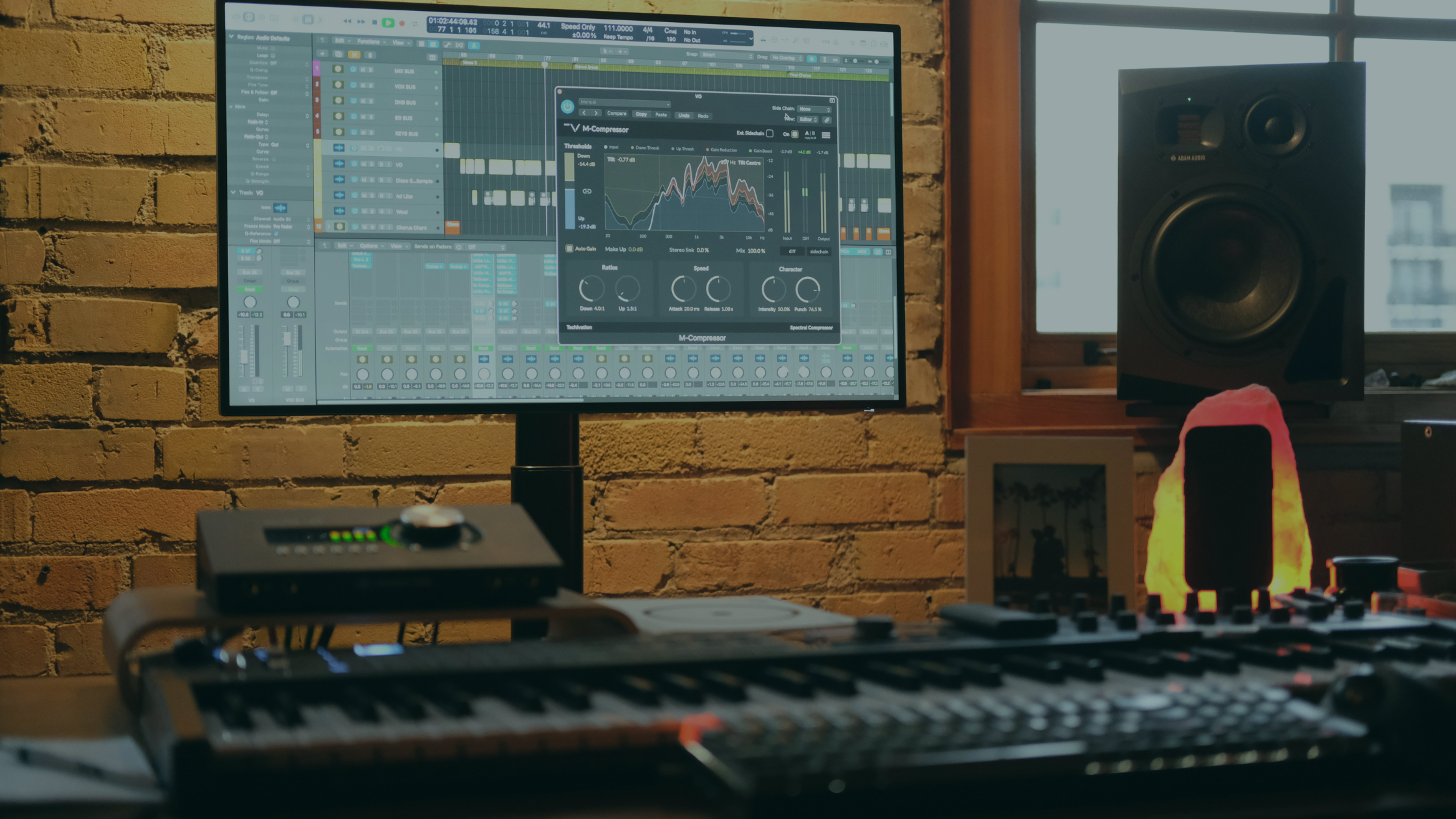
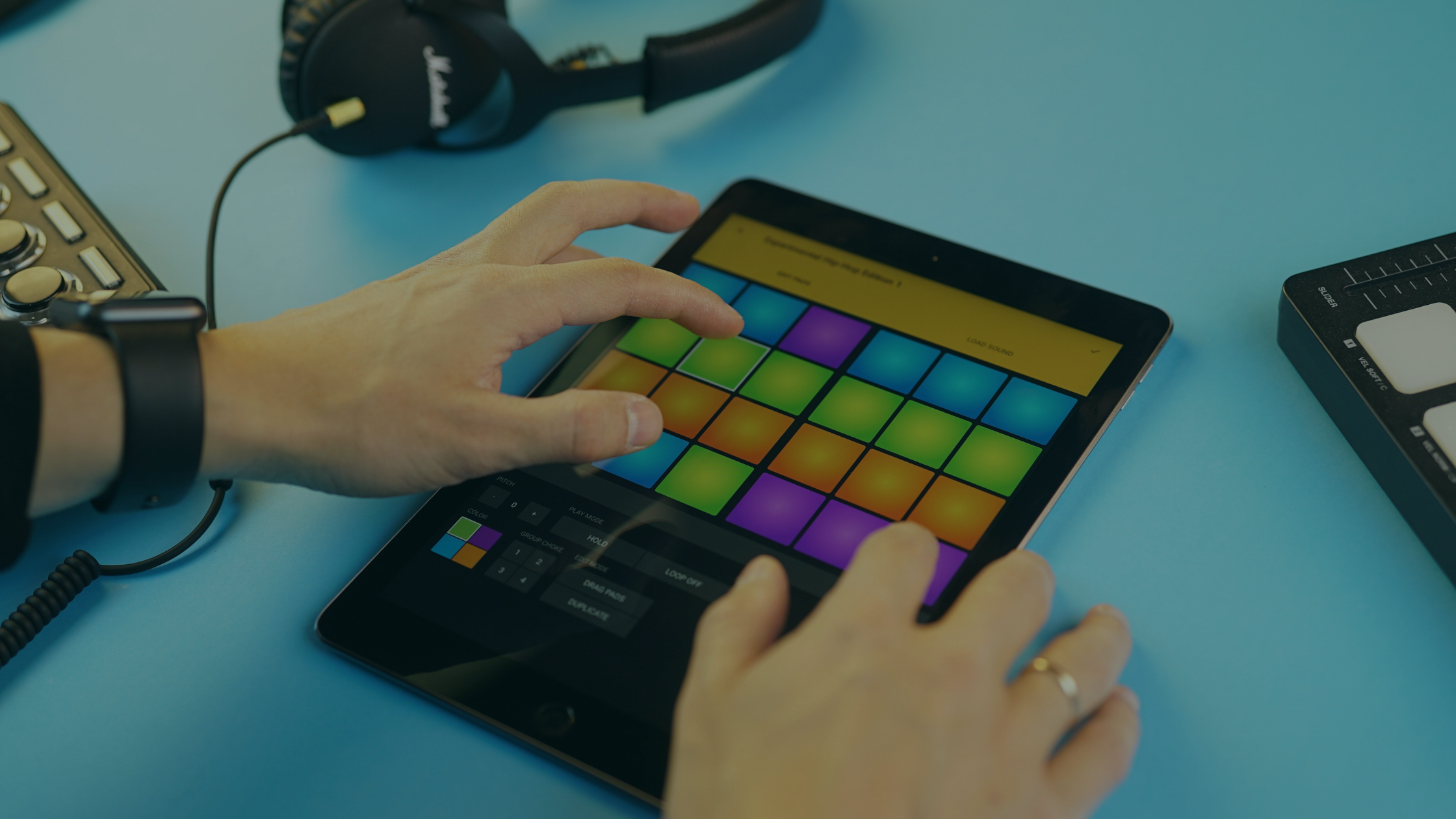
The best DAW for an iPad game project is the one that can create the audio you need and export a file you can test in hyperPad. GarageBand is a practical starting point for music, loops, recorded effects, and basic editing. Cubasis, KORG Gadget, and FL Studio Mobile offer different production workflows for creators who need more control.
A browser-based or “online” DAW is not required. Native iPad apps usually provide a clearer export workflow, while browser tools depend on current browser support, accounts, storage, and service availability.
Official product pages and availability reviewed October 8, 2026. Check each developer’s current compatibility, pricing, export formats, and requirements before choosing a tool.
Compare the workflow, not the marketing label
| DAW | Useful for | Check before choosing |
|---|---|---|
| GarageBand | First soundtracks, loops, recording, and effects | Whether its included instruments and export workflow cover the Project |
| Cubasis | Detailed multitrack audio and MIDI production | Current iPad requirements, available features, and mixdown options |
| KORG Gadget | Electronic music and instrument-based composition | Which gadgets, exports, and purchases the intended workflow needs |
| FL Studio Mobile | Beat, loop, instrument, and cross-device workflows | Current project compatibility and exported audio options |
Do not choose a DAW because it promises “professional” results. Choose it because you can create, export, organize, and revise the specific audio your game needs.
Start with the game’s audio jobs
List the sounds required by one playable loop:
- one collect or success sound;
- one damage or warning sound;
- one completion or failure sound;
- one short music loop, if the scene needs it.
This is enough to test whether the audio clarifies the game. A full soundtrack can wait.
GarageBand: a practical first workflow
GarageBand runs on iPad and can create music, record sounds, arrange loops, and edit audio.
For a first test:
- create a short sound or loop;
- trim silence from the beginning and end;
- export the result to Files;
- use a descriptive filename;
- import it into hyperPad;
- connect it to a real gameplay event;
- test it at ordinary device volume.
Use the current App Store listing and Apple guidance for exact availability and export options.
Cubasis: detailed multitrack work
Cubasis may suit a creator who needs a more detailed multitrack or MIDI workflow on iPad.
Before committing to it, verify the current version’s device requirements, included tools, optional purchases, and mixdown formats on Steinberg’s official page.
Use it when the Project actually benefits from track-level control. A one-screen prototype may not need the additional production complexity.
KORG Gadget: electronic composition
KORG Gadget is organized around instruments and music-production gadgets. It may fit electronic, arcade, or rhythm-focused music.
Check which sounds and export features are included in the current configuration. Create one representative loop and test it in the game before composing several tracks.
FL Studio Mobile: beat and loop production
FL Studio Mobile provides a mobile production workflow for beats, instruments, recording, and arrangement.
If you plan to move between devices, verify the current project and file compatibility first. The final test is still the exported audio inside the running hyperPad Scene.
What about browser-based DAWs?
A browser DAW can be useful when you need a shared link, a service-specific instrument, or access across devices. It also introduces dependencies that a native app may not have:
- browser compatibility;
- internet access;
- account and storage limits;
- service availability;
- export restrictions;
- privacy requirements.
Verify those points on the service’s current official documentation. Do not assume that a desktop browser feature works the same way on iPad.
If the goal is simply to make and import game audio, a native iPad DAW is often the more direct starting point.
Export for a game, not only for listening
Keep the source project and exported audio separate. Use filenames such as collect.wav, damage.wav, menu-loop.m4a, or level-01-music.m4a.
Follow hyperPad’s Supported Asset Types and Importing Assets documentation for current audio requirements.
After import, connect short effects with Play Sound and music with Play Music.
Test audio in the running Scene
Check:
- whether feedback begins when the action occurs;
- whether repeated effects become distracting;
- whether music masks important sounds;
- whether the loop has an obvious seam;
- whether volume remains comfortable;
- whether the file starts with unwanted silence;
- whether restart creates duplicate playback.
Judge the audio with the actual controls, animation, and UI present.
Choose the smallest audio workflow that works
Start with GarageBand or another DAW you already understand. Create three effects and one short loop, import them into hyperPad, and test them against real events.
Move to a more detailed DAW when the Project has a specific need, not because a longer feature list automatically creates better game audio.