
Lessons from Habbo Hotel

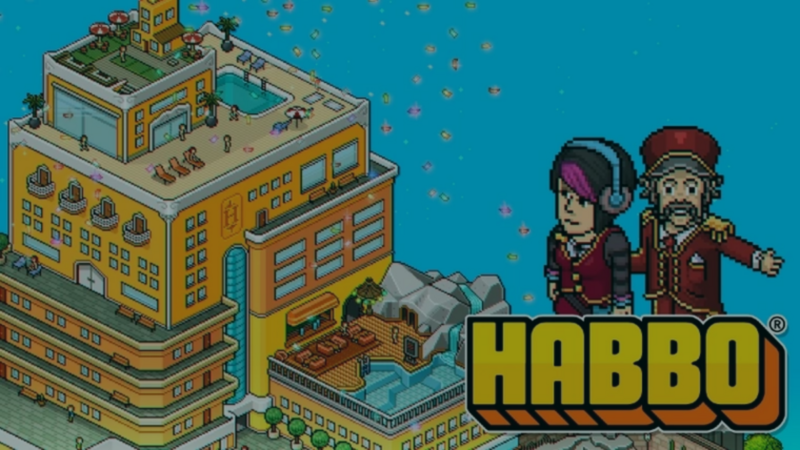
Habbo Hotel still shapes the games people play today. Here’s what made it work, and the lessons you can take from its mechanics to build engaging games of your own.
Habbo Hotel is a virtual world launched in 2000 by the Finnish company Sulake Corporation, and it holds a special place in the history of online gaming. Habbo Hotel mixed social interaction, customization, and community-driven content, and it changed how people thought about virtual worlds.
The Influence of Habbo Hotel
1. Social Interaction and Community Building
Habbo Hotel put social interaction first. Players could chat, make friends, and take part in activities together in a lively virtual space.
Modern multiplayer games such as Fortnite and Among Us share Habbo Hotel’s focus on community. They build social experiences through team play and communication features.
2. User-Generated Content and Customization
Habbo Hotel let players create their own content, including rooms, furniture, and avatars. That gave players a sense of ownership and room to be creative.
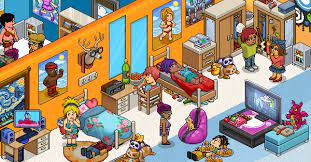
Games like Roblox and Minecraft have taken user-generated content much further. They offer deep customization and let players express themselves through their own creations.
3. Economy and Virtual Currency
Habbo Hotel introduced a virtual economy where players bought and sold items with in-game currency. Players learned to trade and manage their resources.
Games like Animal Crossing: New Horizons and Second Life use similar economic systems. Players trade virtual goods and take part in in-game marketplaces.
4. Live Events and Community Engagement
Habbo Hotel regularly hosted live events, competitions, and promotions to keep players involved in the community.
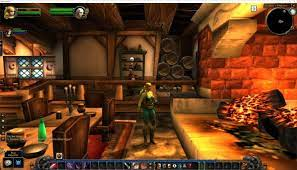
Games like World of Warcraft run in-game events and tournaments to keep players engaged and give the community shared moments.
Lessons for New Developers
The games players stick with usually have lively communities and in-game systems that change over time. Habbo Hotel shows four places to focus: social interaction, player creativity, a working economy, and live events. Here’s how each one helps your game last.
1. Prioritize Social Interaction
Put social features and community building at the center of your game. Give players reasons to talk, meet, and work together.
2. Support Player Creativity
Give players tools to create and customize content. When they build part of the world, they feel it belongs to them.
3. Implement a Dynamic Economy
Add virtual currencies, trading, and economic rewards. They give players goals, make them manage resources, and create in-game commerce.
4. Host Engaging Live Events
Run live events, tournaments, and special promotions. They keep players coming back and give your community memories to share.
Recreating Habbo Hotel
Habbo Hotel was a pioneer among virtual worlds, and it still inspires developers today. If you want to build something in its spirit, follow these steps:
1. Define Core Mechanics
Identify the mechanics and features that made Habbo Hotel successful, such as social interaction, user-generated content, and a virtual economy.
2. Select Appropriate Platforms
Choose the right platform or platforms for your game. Think about your target audience, technical requirements, and how you’ll distribute it.
3. Design User Interface and Experience
Design an interface that’s easy to use and makes it simple for players to socialize, create content, and join community activities.
4. Build Scalable Backend Systems
Build backend systems that can grow with your game. They’ll need to handle multiplayer, store user-generated content, and run the virtual economy.
5. Iterate and Innovate
Keep improving your game based on player feedback, market trends, and new technology. Add features of your own that set your game apart.
Habbo Hotel’s legacy still offers useful lessons if you’re building a virtual world or a social game. Build on those four lessons, and you can make a game that brings players together and keeps them there. Use Habbo Hotel as your inspiration, and make it your own.
hyperPad costs a one-time USD $14.99, with no limit on the games and apps you make. Turn your Procreate designs or other digital art into interactive comics, games, and more, then export them to the App Store and keep 100% of your revenue. Start your game dev journey with hyperPad today and bring your ideas to life!