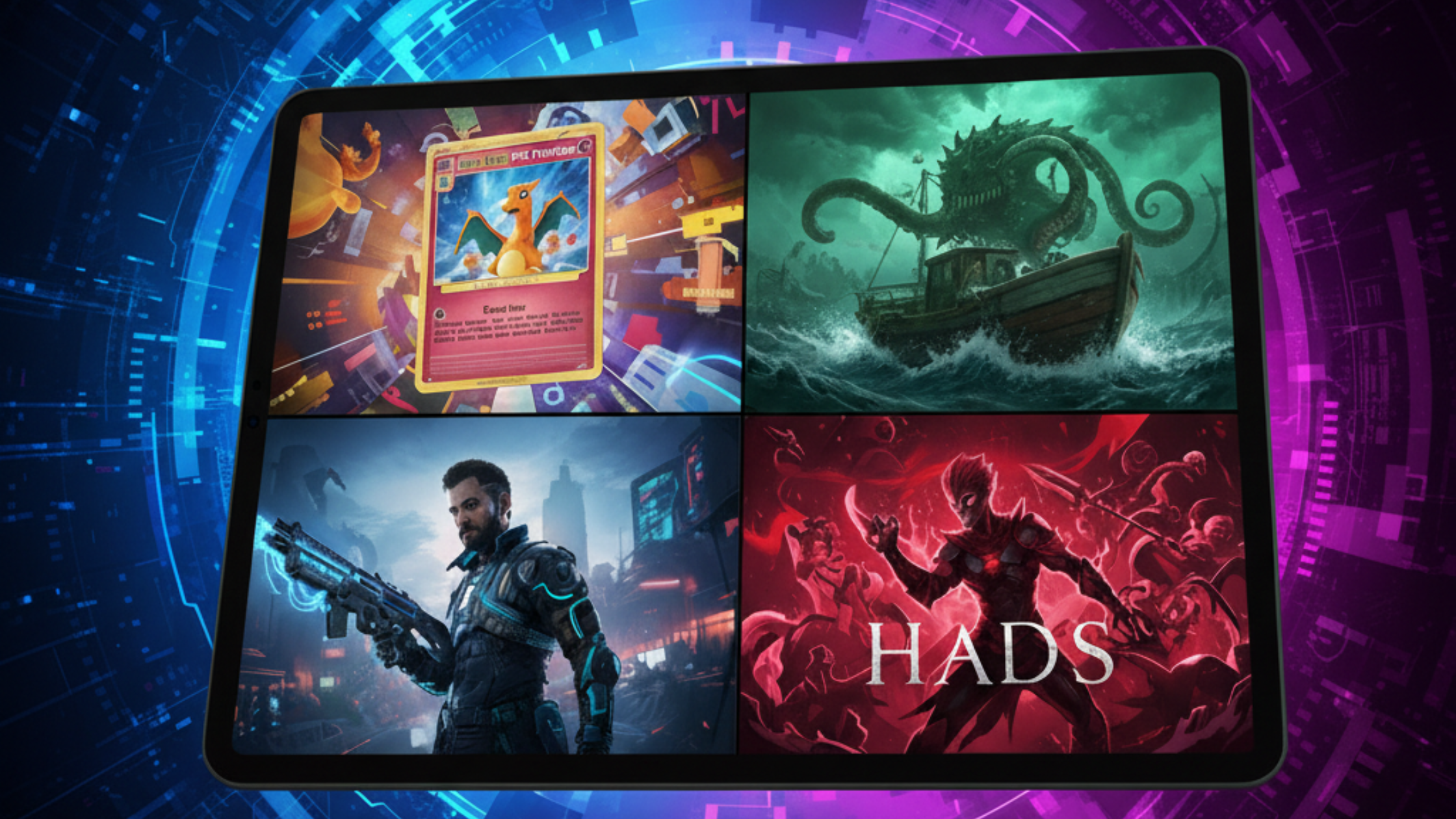

What Today’s Top Trending Games Reveal About the Future of Game Creation


Look at what is trending across Steam, Twitch, consoles, and mobile right now and one thing becomes clear fast: players are hungry for systems-driven games, strong communities, and constant iteration.
From massive hits like Fortnite, Roblox, Counter-Strike 2, and Minecraft to recent surges in World of Warcraft, Escape from Tarkov: Arena, and Helldivers 2, the most successful games in early 2026 share a few core traits:
-
They evolve constantly through updates
-
They are built around mechanics more than visuals
-
They reward experimentation, modding, and creativity
-
They grow through community feedback and iteration
For aspiring developers, students, and indie creators, this raises an important question:
How do you build games like this without a big team, a heavy engine, or years of coding experience?
That is where hyperPad fits in.
The Pattern Behind Today’s Trending Games
1. Systems Matter More Than Graphics
The games dominating engagement today aren't winning on ultra-realistic visuals alone.
-
Helldivers 2 thrives on emergent co-op systems
-
Valorant and League of Legends are pure mechanics and balance
-
Minecraft remains popular because of freedom and systems
-
Roblox succeeds by giving creators the tools to build their own games
Even new Steam releases like Escape from Ever After, Wicked Seed, and Out of Action are gaining attention for clear, replayable mechanics rather than heavy visuals.
Pain point for creators: Traditional engines often make you fight complex rendering pipelines, scripting languages, and setup steps before you can test a single gameplay idea.
How hyperPad helps: hyperPad is built around Behaviors, a visual logic system that lets you focus on gameplay first. You can prototype mechanics, interactions, enemy AI, and progression systems directly on iPad, without writing code or installing anything heavy.
2. Fast Iteration Is the New Competitive Advantage
Trending games today live or die by how fast they adapt.
-
Fortnite reinvents itself with seasonal mechanics
-
World of Warcraft surged over 90 percent in viewership due to major updates
-
Escape from Tarkov: Arena gained traction because of focused gameplay changes
-
Ark: Survival Ascended thrives on constant refinement
The teams behind these games test, adjust, and ship changes continuously.
Pain point for creators: Most development tools are slow to iterate. Long compile times, broken builds, and tangled dependencies kill momentum, especially for solo devs and students.
How hyperPad helps: In hyperPad, you tweak gameplay and test it instantly. Change the logic, rebalance a mechanic, or redesign a level, then play it right away. That speed encourages experimentation, and experimentation is how good games get made.
3. Community-Driven Creation Is Dominating the Market
Look at the biggest platforms right now:
-
Roblox dominates mobile and PC
-
Minecraft is still going strong
-
Hytale is generating massive buzz before release
Each of these games doubles as a creation ecosystem.
Players want to build, mod, and share. The barrier to entry matters more than ever.
Pain point for creators: Most engines are intimidating. They assume programming knowledge, desktop hardware, and long onboarding. That shuts out younger creators, educators, and hobbyists.
How hyperPad helps: hyperPad lowers that barrier. Anyone can open the app and start building visually. hyperPad Starter is free and includes one project. When you're ready to ship, hyperPad (a one-time purchase, with no subscription) lets you export a real iOS game to the App Store. That makes it a good fit for students, teachers, and first-time creators who want to take part in modern game culture.
4. Mobile Is No Longer Secondary
Mobile titles like Free Fire, Roblox, and Mobile Legends: Bang Bang continue to dominate engagement globally. Even console and PC franchises are thinking mobile-first for reach and accessibility.
Pain point for creators: Mobile development often feels like an afterthought in traditional engines, with complicated export steps and performance headaches.
How hyperPad helps: hyperPad is built for iPad from the ground up. Touch input, performance, and App Store export are core features. You build with touch, on the same kind of device your players hold.
What Trending Games Teach New Developers
The success of today’s top games shows that you do not need:
-
Massive budgets
-
Huge teams
-
Complex codebases
-
Years of engine expertise
You need:
-
Clear mechanics
-
Fast iteration
-
Player-focused design
-
Tools that get out of the way
hyperPad was built around that idea. Whether your inspiration is a competitive game like Valorant, a creative platform like Roblox, or a co-op hit like Helldivers 2, the core skills are the same: design systems, test ideas, iterate fast, and listen to players.
Build Games That Players Want
The next breakout game will come from creators who can test ideas quickly and bring them to life with little friction. hyperPad is built for that kind of work. If today’s trending games make you want to build a game of your own, start with hyperPad.
Try hyperPad Starter free on iPad, and upgrade to hyperPad when you want to export your game to the App Store.